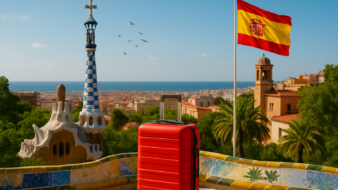
Beach Holidays in Spain: Best Coasts and When to Go
Spain leads the world with 677 Blue Flag beaches. The question is not which beach — it is which coast, and when.
Read more
Get a free consultation
From 0 €
Tax burden per month
From 6 weeks
Term for obtaining a residence permit
5 years
Until permanent residence permit


 11/05/2025
 Reading time: 12 min
Beach holidays in Spain: best coasts, beaches and when to go

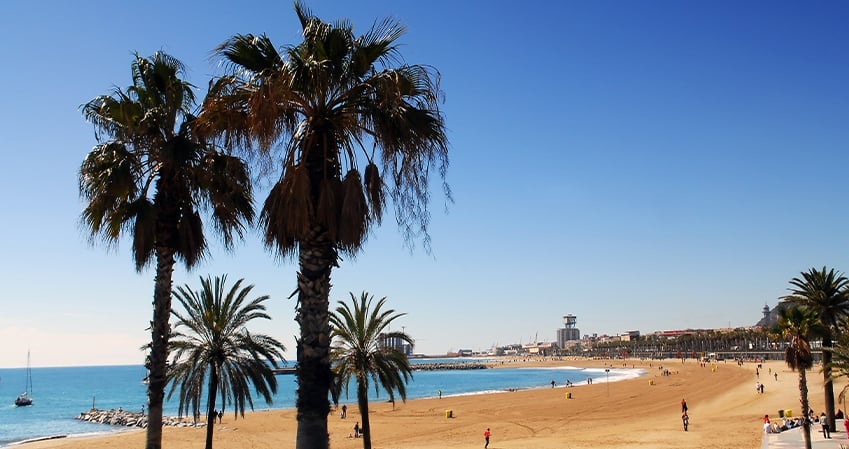
Spain is the world leader in Blue Flag beaches, and 2026 was its best year on record: 677 beaches earned the award — 35 more than the previous year, and the highest total since the programme began in 1987 (ADEAC, which administers the Blue Flag in Spain).
That is the useful way to think about a Spanish beach holiday. The question is not really "which beach" — it is which coast, and when. Get those two right and the beach takes care of itself.
The single most useful thing to know: if you want a beach holiday between November and April, the mainland will disappoint you. Only the Canary Islands stay reliably warm through winter — which is precisely why they have become a year-round destination rather than a summer one.
Below, the beaches themselves, region by region.
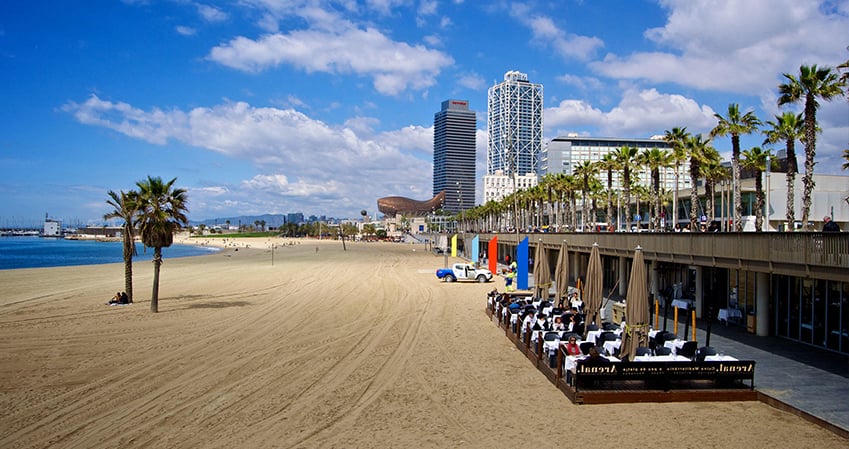 Barceloneta is one of the most well-known and lively beaches in the city. It boasts a 90-meter-wide shoreline, making it ideal for solo travelers and large groups alike. With clean water, lifeguard services, and environmental monitoring, Barceloneta proudly holds the Blue Flag — a sign of safety, cleanliness, and good visitor amenities. The beach offers free freshwater showers, toilets, and rentable sunbeds and umbrellas. You can also rent a children's play area or sports fields for volleyball or mini football. To get there, take the metro to Barceloneta station and walk to the Olympic Port.
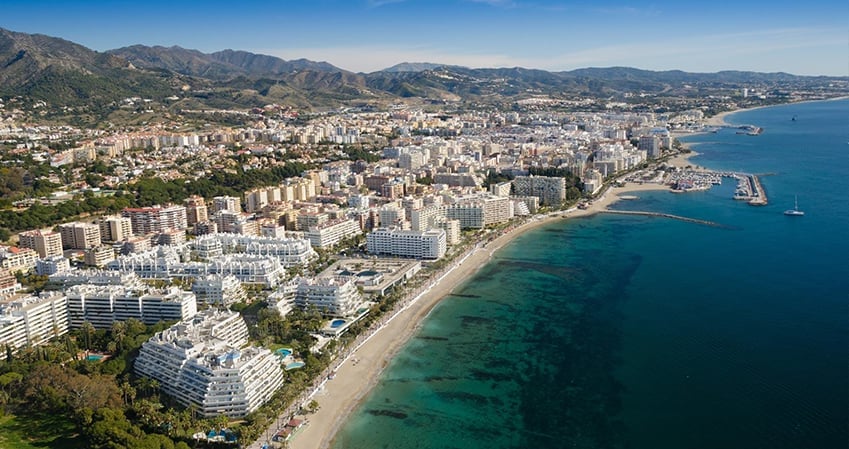 Mar Bella also ranks among the best beaches in Spain. It's considered one of the most “liberal” beaches in Barcelona, with a half-kilometer stretch that includes a discreet nudist section. Activities here include windsurfing, sports catamarans, volleyball, basketball, and mini football. The beach is well-equipped with freshwater showers, sunbeds, umbrellas, and toilets. To reach Mar Bella, take the metro to Poblenou station.
Located just 4 km from the city center, Bogatell Beach spans over 700 meters. It features fine, light sand and a gentle slope into the sea, making it perfect for families or those seeking a peaceful break. Sports lovers will enjoy basketball, volleyball, football, and ping pong facilities. An interactive screen displays air and water temperatures. Showers, restaurants, and lockers are available for your comfort. Access the beach via Llacuna or Poblenou metro stations.
Mar Bella also ranks among the best beaches in Spain. It's considered one of the most “liberal” beaches in Barcelona, with a half-kilometer stretch that includes a discreet nudist section. Activities here include windsurfing, sports catamarans, volleyball, basketball, and mini football. The beach is well-equipped with freshwater showers, sunbeds, umbrellas, and toilets. To reach Mar Bella, take the metro to Poblenou station.
Located just 4 km from the city center, Bogatell Beach spans over 700 meters. It features fine, light sand and a gentle slope into the sea, making it perfect for families or those seeking a peaceful break. Sports lovers will enjoy basketball, volleyball, football, and ping pong facilities. An interactive screen displays air and water temperatures. Showers, restaurants, and lockers are available for your comfort. Access the beach via Llacuna or Poblenou metro stations.
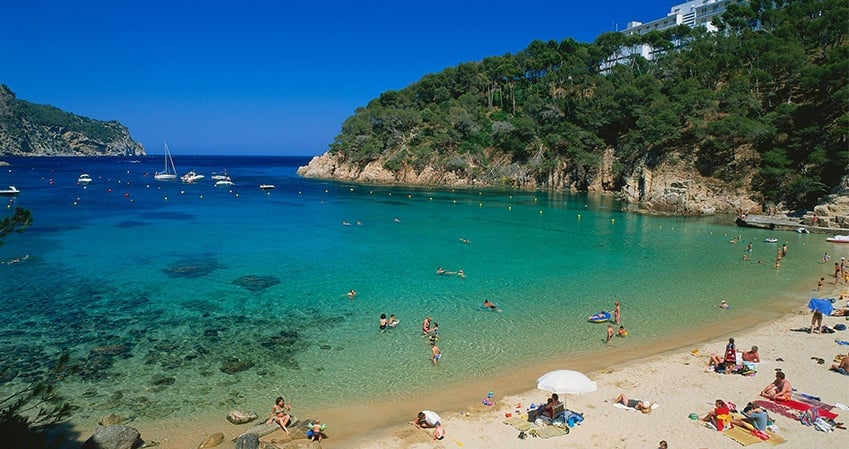 Aiguablava is one of the most stunning coves in the world. With velvety clean sand and light turquoise waters, it creates a romantic, relaxing atmosphere, ideal for couples. It features a marina, diving center, kayak rentals, and seaside restaurants. To get there, drive to the municipality of Begur and walk 600 meters.
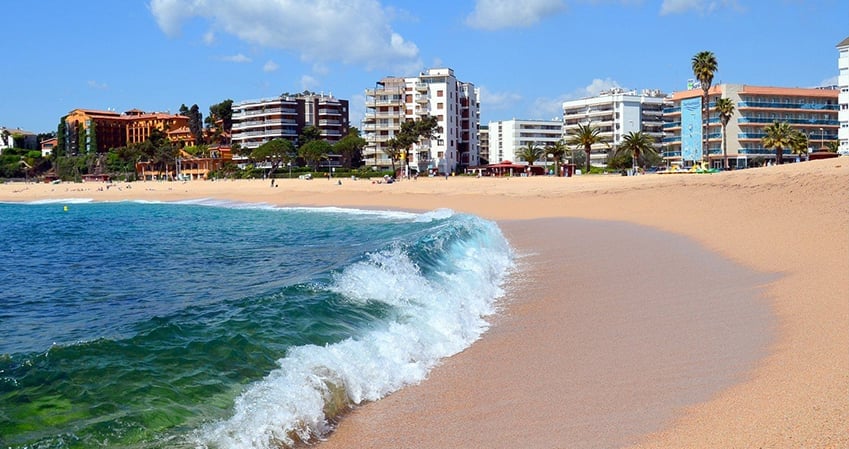 Lloret is the main beach in the town of Lloret de Mar. Here, you'll find coarse clean sand and well-developed amenities — umbrellas, loungers, and rentals for yachts, jet skis, and pedal boats. There's also a volleyball court. You can take a bus from Barcelona, but driving is quicker.
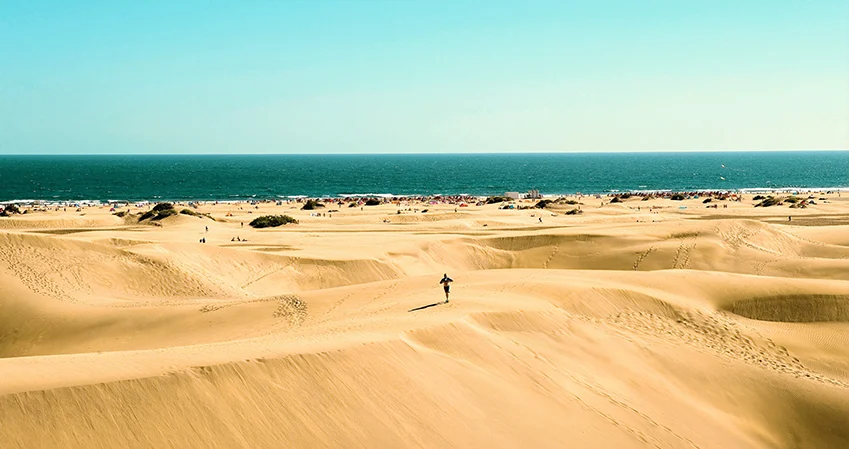 Located at the southern tip of Gran Canaria, Maspalomas Beach has limited infrastructure (mainly freshwater showers), but its natural beauty more than makes up for it. Surfers love the strong ocean waves. The beach borders a picturesque desert, which you can explore for free. The dunes look almost alive, constantly reshaped by the wind. You can reach Maspalomas by car or bus.
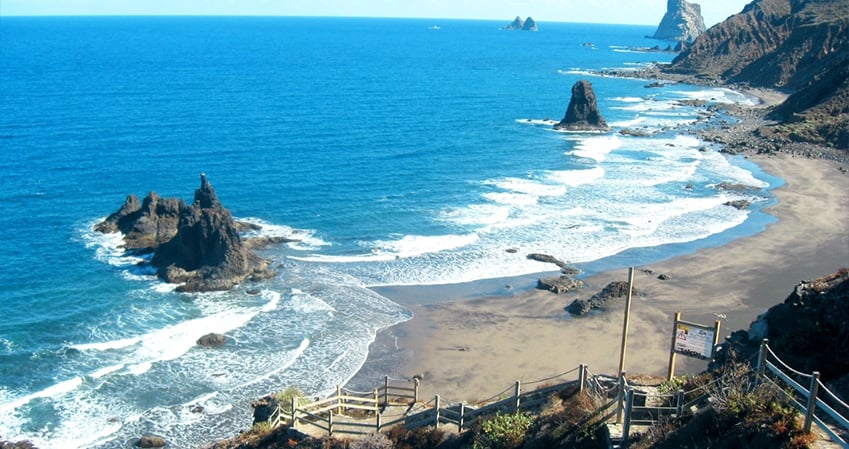 For something more exotic, visit Benijo Beach near Santa Cruz de Tenerife. Known for its black volcanic sand — formed by cooled lava breaking into tiny particles — the beach offers striking views and few crowds. Thanks to its high waves, it’s great for surfing. Infrastructure is minimal, but there are restaurants along the road above. To get there, take bus No. 946 from central Santa Cruz de Tenerife.
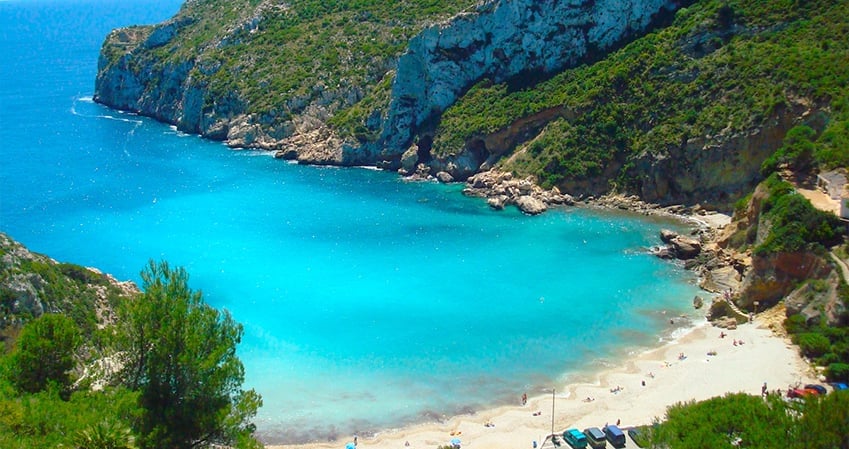 Granadella is a pebble beach hidden in a quiet cove, ideal for families and couples. It features crystal-clear water and a safe, gentle entrance to the sea, all surrounded by lush scenery. You can rent umbrellas with built-in safes, and nearby cafes offer affordable meals. No buses go directly to the beach, so you’ll need to drive from Jávea along a winding road.
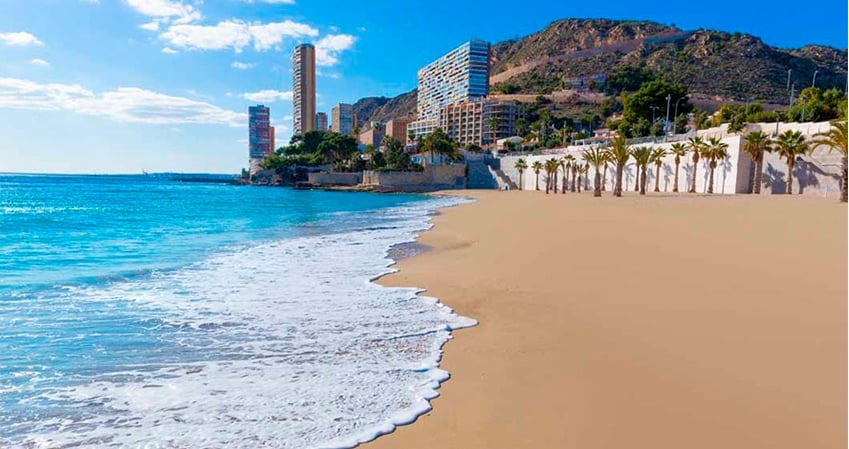 Part of the Valencian Community, the city of Alicante is a popular Costa Blanca resort drawing thousands of visitors each year. Its beaches are known for their cleanliness and safety. Albufereta Beach is a small, cozy bay with soft white sand. Gentle waves and a shallow entrance make it ideal for kids. Sports lovers can rent pedal boats, snorkel, or go diving. There are restaurants to suit any budget and playgrounds for children. You can reach the beach via public transport or by car — it’s located at the northwest edge of Alicante.
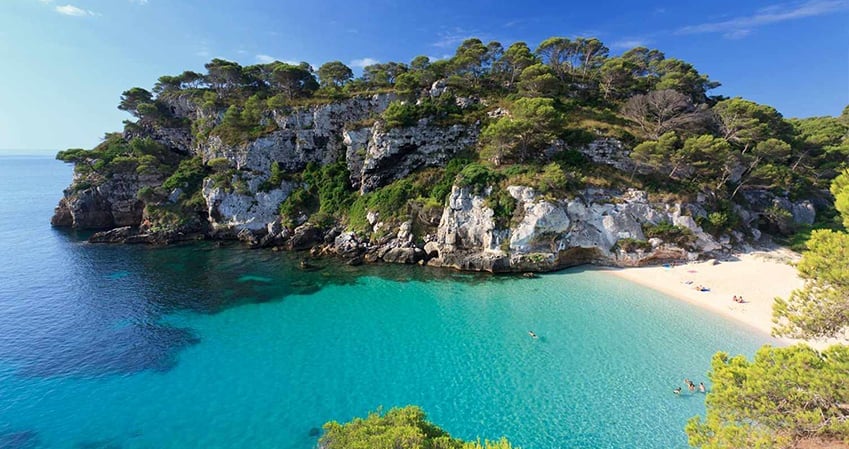 Macarella Beach is considered the jewel of the island of Menorca. It offers the perfect combination of soft, fine sand and turquoise waters. The beach is perfect for those looking for some privacy, as it is surrounded by lush vegetation. The nearest settlements are far away from the cove. Macarella Beach rightfully makes the list of "best beaches in Spain with white sand." A downside is the limited space on the beach and the lack of cafes or restaurants, which means it is recommended to claim a sunbed at the first rays of sunlight. To reach the beach, you can walk from the nearby Macarelleta cove.
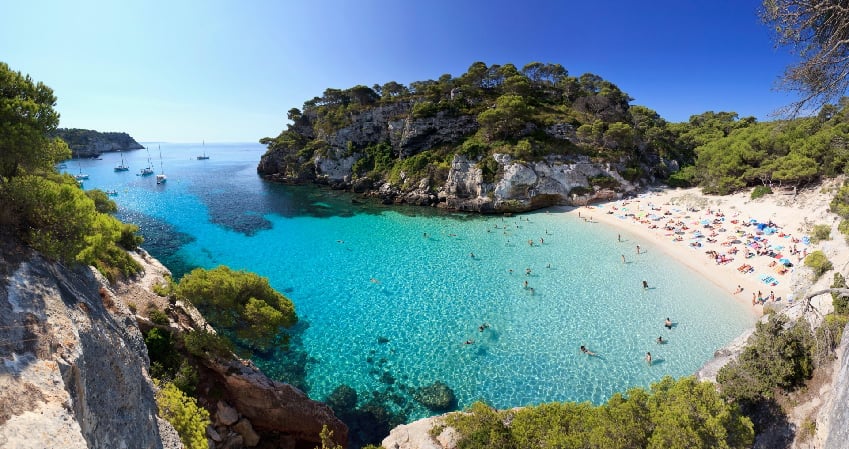 When considering the Balearic Islands, Cala Mandia Beach on the east coast of Mallorca cannot be overlooked. This small cove offers the perfect spot for a photo, as tourists are not crowded here. Upon arrival, you'll be greeted by white sand and neon-blue waters. The infrastructure is well-developed with restaurants, bars, showers with running water, and sunbed rentals. To visit this beach, drive to Porto Cristo and then walk to the cove.
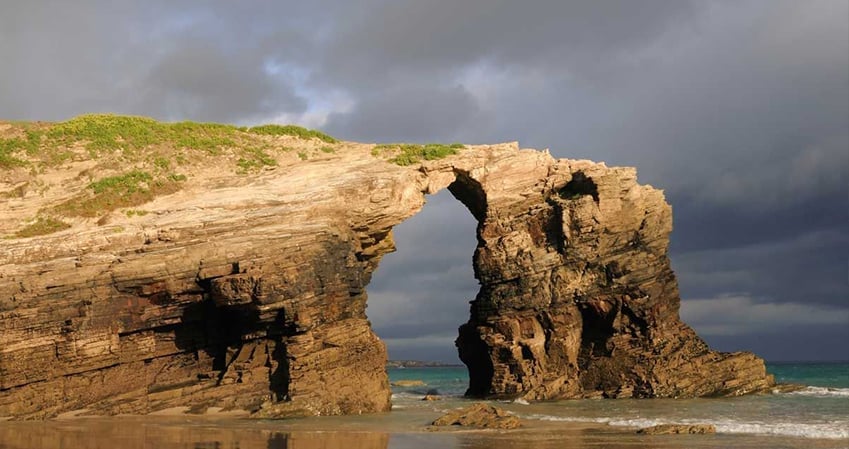 One such location is Cathedrals Beach. This cove amazes with its remarkable landscape of high cliffs, creating an atmosphere of mystery and seclusion. Here, you can see a natural monument – a labyrinth of arches, columns, caves, and vaults. It is recommended to check the tides schedule to choose the best time for your visit. The beach's infrastructure is limited. To reach it, drive to the border of the Lugo and Asturias provinces.
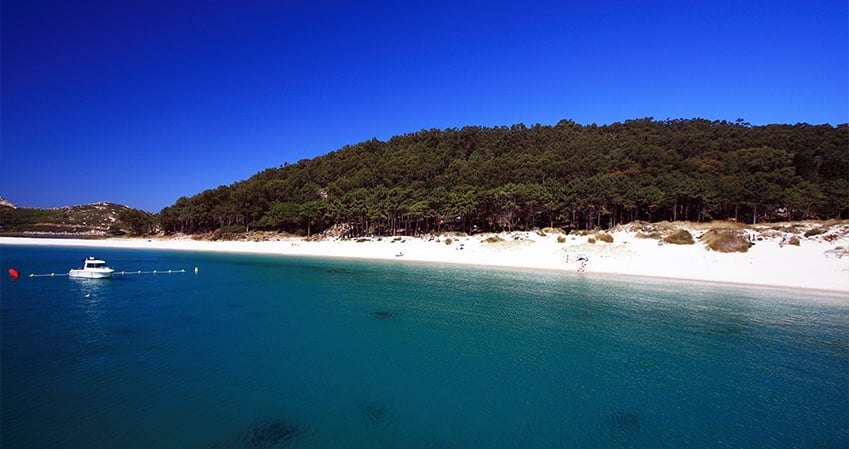 Another gem of Galicia is Rodas Beach, located on the island of Monteagudo. This cove features fine white sand and crystal-clear waters, creating perfect conditions for rest and relaxation. The beach has wooden walkways, restaurants, showers, and a campsite, making it very convenient for visitors. To get to Rodas Beach, you can take a boat to the Cíes Archipelago.
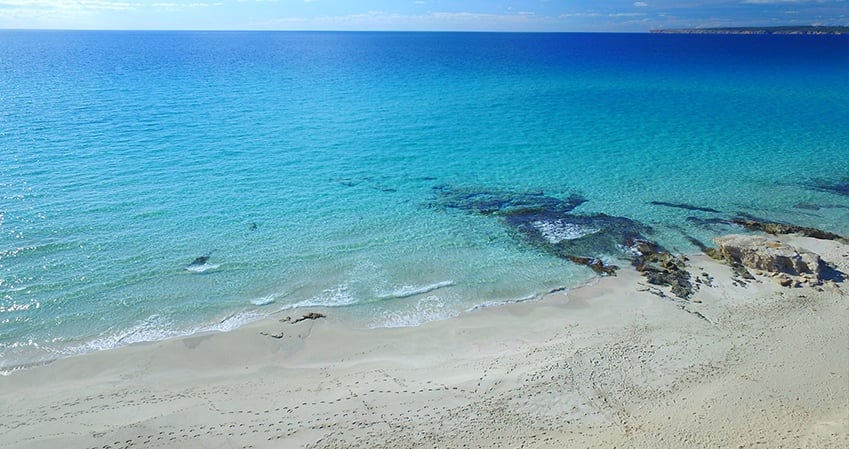 Ses Illetes Beach is a cozy cove with white sand and clear waters, making it an ideal spot for a calm getaway with friends. The beach offers beautiful views of the surrounding mountains. There are plenty of activities available, including diving, surfing, and sailing schools, as well as luxury hotels for accommodations. You can reach Ses Illetes Beach by bus or a rented car.
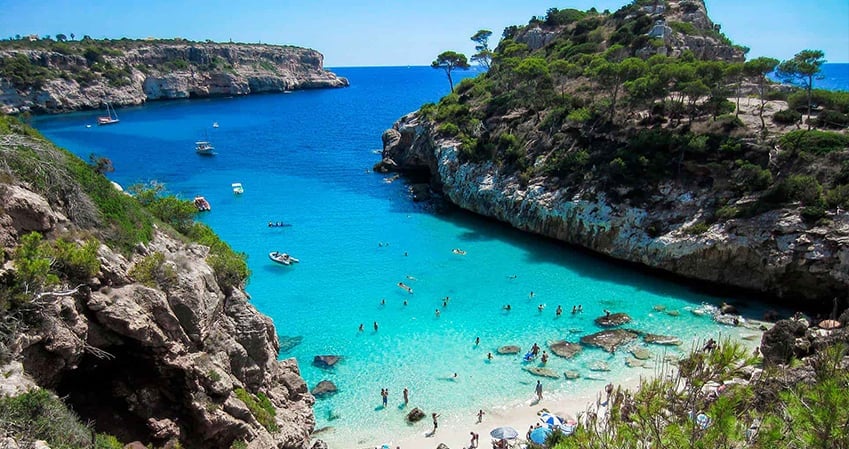 Another top beach on Mallorca is Banyalbufar Beach. This rocky cove is famous for its crystal-clear waters, perfect for snorkeling. You can enjoy picturesque views and explore underwater beauty. Near the cove, in the town, there are cafes and shops where you can grab a bite or buy souvenirs. To get to Banyalbufar Beach, drive to the parking area, and then take a walk down the winding stairs to the beach.
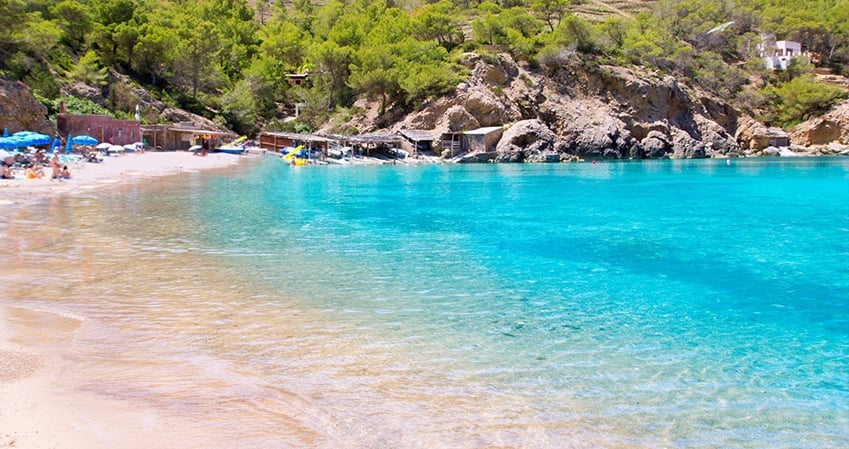 If you love active holidays and parties until morning, Cala Benirrás Beach is for you. This picturesque spot impresses with its crystal-clear waters and stunning cliffs, which create a beautiful landscape. A unique feature of this beach is its traditional drum parties, which attract young people from all over the world. The beach has a friendly atmosphere, and pets are welcome, with special arrangements for them. The infrastructure at Cala Benirrás is well-developed, with bars, restaurants offering local cuisine, and shops for souvenirs and essentials. To reach Cala Benirrás, drive from the town of San Miguel, making it easy to visit and convenient for a relaxing holiday.
Go back to the blog
Which Coast for Which Holiday?
| Coast | Best for | Season |
|---|---|---|
| Costa Blanca (Alicante) | Families, budget, English widely spoken. Leads Spain in Blue Flags. | May–October |
| Costa del Sol (Málaga) | The warmest mainland coast, longest season, biggest resorts. | April–October |
| Costa Brava (Catalonia) | Rocky coves, pine forests — and Barcelona an hour away. | June–September |
| Balearics (Mallorca, Menorca, Ibiza) | Turquoise coves. Menorca for quiet, Ibiza for nightlife. | May–October |
| Canary Islands | The only genuine winter beach holiday in Spain. Volcanic sand, Atlantic surf. | Year-round |
| Galicia (Atlantic north) | Wild, dramatic, uncrowded — and cool even in August. | July–August only |
Top Beaches in Barcelona
Barcelona is a city of unique architecture and rich cultural and historical heritage. A modern gem of Spain, it still reflects its past through a blend of modernism and Gothic styles. The city is also home to some great beaches.Barceloneta Beach
Barceloneta is one of the most well-known and lively beaches in the city. It boasts a 90-meter-wide shoreline, making it ideal for solo travelers and large groups alike. With clean water, lifeguard services, and environmental monitoring, Barceloneta proudly holds the Blue Flag — a sign of safety, cleanliness, and good visitor amenities. The beach offers free freshwater showers, toilets, and rentable sunbeds and umbrellas. You can also rent a children's play area or sports fields for volleyball or mini football. To get there, take the metro to Barceloneta station and walk to the Olympic Port.
Mar Bella Beach
Mar Bella also ranks among the best beaches in Spain. It's considered one of the most “liberal” beaches in Barcelona, with a half-kilometer stretch that includes a discreet nudist section. Activities here include windsurfing, sports catamarans, volleyball, basketball, and mini football. The beach is well-equipped with freshwater showers, sunbeds, umbrellas, and toilets. To reach Mar Bella, take the metro to Poblenou station.
Bogatell Beach
Located just 4 km from the city center, Bogatell Beach spans over 700 meters. It features fine, light sand and a gentle slope into the sea, making it perfect for families or those seeking a peaceful break. Sports lovers will enjoy basketball, volleyball, football, and ping pong facilities. An interactive screen displays air and water temperatures. Showers, restaurants, and lockers are available for your comfort. Access the beach via Llacuna or Poblenou metro stations.
Best Beaches in Catalonia
Catalonia is a hotspot for youth tourism in Spain. This region offers architectural wonders and endless golden-sand beaches.Aiguablava Beach
Aiguablava is one of the most stunning coves in the world. With velvety clean sand and light turquoise waters, it creates a romantic, relaxing atmosphere, ideal for couples. It features a marina, diving center, kayak rentals, and seaside restaurants. To get there, drive to the municipality of Begur and walk 600 meters.
Lloret Beach
Lloret is the main beach in the town of Lloret de Mar. Here, you'll find coarse clean sand and well-developed amenities — umbrellas, loungers, and rentals for yachts, jet skis, and pedal boats. There's also a volleyball court. You can take a bus from Barcelona, but driving is quicker.
Capellans Cove, Salou
Capellans Cove ranks high among Spain’s most beautiful beaches. This cozy white-sand beach is sheltered on three sides by cliffs, providing natural protection from strong waves. You’ll find umbrellas and sunbeds for rent, as well as cafes and restaurants. To get there, head to Salou and follow the pedestrian paths from the town center.Best Beaches in the Canary Islands
The Canary Islands, a volcanic archipelago of seven islands, attract both tourists and locals with their natural beauty and pristine Atlantic waters.Maspalomas Beach
Located at the southern tip of Gran Canaria, Maspalomas Beach has limited infrastructure (mainly freshwater showers), but its natural beauty more than makes up for it. Surfers love the strong ocean waves. The beach borders a picturesque desert, which you can explore for free. The dunes look almost alive, constantly reshaped by the wind. You can reach Maspalomas by car or bus.
Benijo Beach
For something more exotic, visit Benijo Beach near Santa Cruz de Tenerife. Known for its black volcanic sand — formed by cooled lava breaking into tiny particles — the beach offers striking views and few crowds. Thanks to its high waves, it’s great for surfing. Infrastructure is minimal, but there are restaurants along the road above. To get there, take bus No. 946 from central Santa Cruz de Tenerife.
Best Beaches in Valencia
Valencia, where the Turia River meets the Mediterranean Sea, offers a mix of modern and historic seaside resorts.Granadella Beach
Granadella is a pebble beach hidden in a quiet cove, ideal for families and couples. It features crystal-clear water and a safe, gentle entrance to the sea, all surrounded by lush scenery. You can rent umbrellas with built-in safes, and nearby cafes offer affordable meals. No buses go directly to the beach, so you’ll need to drive from Jávea along a winding road.
Albufereta Beach
Part of the Valencian Community, the city of Alicante is a popular Costa Blanca resort drawing thousands of visitors each year. Its beaches are known for their cleanliness and safety. Albufereta Beach is a small, cozy bay with soft white sand. Gentle waves and a shallow entrance make it ideal for kids. Sports lovers can rent pedal boats, snorkel, or go diving. There are restaurants to suit any budget and playgrounds for children. You can reach the beach via public transport or by car — it’s located at the northwest edge of Alicante.
Best Beaches of the Balearic Islands
The Balearic Islands are home to numerous fantastic harbors and rocky coves that attract tourists from around the world.Macarella Beach
Macarella Beach is considered the jewel of the island of Menorca. It offers the perfect combination of soft, fine sand and turquoise waters. The beach is perfect for those looking for some privacy, as it is surrounded by lush vegetation. The nearest settlements are far away from the cove. Macarella Beach rightfully makes the list of "best beaches in Spain with white sand." A downside is the limited space on the beach and the lack of cafes or restaurants, which means it is recommended to claim a sunbed at the first rays of sunlight. To reach the beach, you can walk from the nearby Macarelleta cove.
Cala Mandia Beach
When considering the Balearic Islands, Cala Mandia Beach on the east coast of Mallorca cannot be overlooked. This small cove offers the perfect spot for a photo, as tourists are not crowded here. Upon arrival, you'll be greeted by white sand and neon-blue waters. The infrastructure is well-developed with restaurants, bars, showers with running water, and sunbed rentals. To visit this beach, drive to Porto Cristo and then walk to the cove.
Best Beaches of Galicia
Galicia, located in the northwest of Spain, is known for its stunning beaches that surprise with their beauty and cleanliness.Cathedrals Beach
One such location is Cathedrals Beach. This cove amazes with its remarkable landscape of high cliffs, creating an atmosphere of mystery and seclusion. Here, you can see a natural monument – a labyrinth of arches, columns, caves, and vaults. It is recommended to check the tides schedule to choose the best time for your visit. The beach's infrastructure is limited. To reach it, drive to the border of the Lugo and Asturias provinces.
Rodas Beach
Another gem of Galicia is Rodas Beach, located on the island of Monteagudo. This cove features fine white sand and crystal-clear waters, creating perfect conditions for rest and relaxation. The beach has wooden walkways, restaurants, showers, and a campsite, making it very convenient for visitors. To get to Rodas Beach, you can take a boat to the Cíes Archipelago.
Best Beaches of Mallorca
Mallorca, an island in the Mediterranean, is known for its lively and active beaches.Ses Illetes Beach
Ses Illetes Beach is a cozy cove with white sand and clear waters, making it an ideal spot for a calm getaway with friends. The beach offers beautiful views of the surrounding mountains. There are plenty of activities available, including diving, surfing, and sailing schools, as well as luxury hotels for accommodations. You can reach Ses Illetes Beach by bus or a rented car.
Banyalbufar Beach
Another top beach on Mallorca is Banyalbufar Beach. This rocky cove is famous for its crystal-clear waters, perfect for snorkeling. You can enjoy picturesque views and explore underwater beauty. Near the cove, in the town, there are cafes and shops where you can grab a bite or buy souvenirs. To get to Banyalbufar Beach, drive to the parking area, and then take a walk down the winding stairs to the beach.
Best Beaches of Ibiza
Ibiza is an island known not only in Spain but also internationally.Cala Benirrás Beach
If you love active holidays and parties until morning, Cala Benirrás Beach is for you. This picturesque spot impresses with its crystal-clear waters and stunning cliffs, which create a beautiful landscape. A unique feature of this beach is its traditional drum parties, which attract young people from all over the world. The beach has a friendly atmosphere, and pets are welcome, with special arrangements for them. The infrastructure at Cala Benirrás is well-developed, with bars, restaurants offering local cuisine, and shops for souvenirs and essentials. To reach Cala Benirrás, drive from the town of San Miguel, making it easy to visit and convenient for a relaxing holiday.
Tips for Tourists
The popular beaches of Spain are perfect for relaxation, whether you're alone, with a group, or with family. However, to ensure your trip is smooth, consider the following expert recommendations:- Sun protection: Spain has hot weather and intense sun, which can affect your skin. To prevent any negative impact, bring an umbrella and sunscreen with SPF 20 or higher. You can rent sunbeds and umbrellas at the beach.
- Language: While it’s not necessary to learn Spanish before your trip, knowing some basic phrases can help you when asking locals for information. You can also use a travel guide or a translation app on your phone.
- Behavior: In Spain, there are some behaviors that might not be acceptable. For example, walking around in a swimsuit is only allowed on the beach. Smoking is only permitted in designated areas.
- Seafood: Spain is famous for its seafood. To ensure you're getting fresh products, look for vendors on the coast where you can find both fresh and affordable delicacies.
Conclusion
In this article, we've collected the best beaches of Spain. You'll find spots for peaceful relaxation with children, as well as lively beach parties with friends. Pay attention to the infrastructure of the beaches. Some beaches offer a variety of active recreation options, while others have restaurants, cafes, and children’s areas, which are important when traveling with kids. Here’s what else to consider when choosing:- Location and accessibility: Choose a beach that’s in a convenient location with good transport connections. Also, make sure it’s in a safe area.
- Sandy or pebbly beach: Some people prefer the feeling of sand underfoot, while others enjoy smooth pebbles. Choose based on your personal preference.
- Comfort: If you want to relax comfortably, look for beaches with well-developed infrastructure, such as showers, toilets, trash bins, and bars and restaurants.
- Safety: Ensure that the beach has lifeguards and first-aid equipment. Also, be aware of potential hazards like jellyfish or strong currents.
- Entertainment: If you want to mix things up, choose a beach where you can try sports or rent water scooters, boats, and more.
Frequently Asked Questions
Which part of Spain has the best beaches?
By the official measure, the Costa Blanca around Alicante — it consistently wins more Blue Flags than any other area of Spain. For turquoise coves, the Balearics; for winter sun, the Canary Islands; for drama and space, Galicia.When is the best time for a beach holiday in Spain?
June to September on the mainland and the Balearics, with May and October still warm on the Costa del Sol. Between November and April, only the Canary Islands are reliably warm enough for the beach.What does a Blue Flag actually mean?
It is an international award for water quality, environmental management, safety and facilities, administered in Spain by ADEAC. Spain won 677 of them in 2026 — more than any other country in the world, and its highest total ever.Are Spanish beaches free?
Yes. All beaches in Spain are public and free to enter. You pay only for extras such as sunbeds, umbrellas and watersports.Do I need a visa to visit Spain's beaches?
EU, EEA and Swiss citizens do not. Many other nationalities are visa-exempt for short stays; the rest need a Schengen visa. Apply early if you are travelling in the summer — appointments are scarce in peak season.Official Source
- Bandera Azul — ADEAC: the official Blue Flag programme in Spain, with the current list of awarded beaches by region.