Life in Spain: everything you need to know before moving

 06/06/2025
 Reading time: 6 min
Life in Spain: everything you need to know before moving


Short version:
- You'll need a residence route — work, digital nomad, non-lucrative, student, business or family reunification.
- Budget €1,000–1,500/month per person to live; Madrid and Barcelona sit at the top, mid-size cities and the north are cheaper.
- Public healthcare is excellent and low-cost once you have a health card (TSI) — get it early.
- The two things that make or break the move: learning Spanish and surviving the bureaucracy. Take both seriously.
Legal ways to move to Spain
Spanish law offers several main residence routes, each tied to a purpose and each with its own paperwork (apostille + sworn translation). Processing times range from about 20 days for the digital nomad visa to three months for some work permits.
| Route | For whom | Key requirement |
|---|---|---|
| Work (Residencia y Trabajo) | You have a job offer | Contract + qualifications |
| Digital nomad | Remote workers | ~€2,849/month income (200% SMI) |
| Non-lucrative (No Lucrativa) | Passive income / retirees | ~€2,400/month (€28,800/year); no work in Spain |
| Student (Estancia por Estudios) | Study or courses | Enrollment + ~€600/month |
| Business / startup | Entrepreneurs | Viable, beneficial business plan |
| Family reunification | Relatives of a resident | Proof of ties + sponsor income |
All of them need a valid passport, a criminal-record check and proof of funds. For the full breakdown, see our complete guide to getting a residence permit, and the specifics of the non-lucrative visa and the digital nomad income requirement.
The good parts
Climate and nature
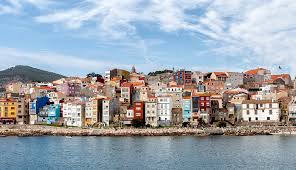
The Mediterranean coast (Costa del Sol, Costa Blanca) stays mild — winters rarely below 10–15°C, hot but breezy summers. Inland (Madrid, Zaragoza) is continental, with near-freezing winters and 40°C summers. The Pyrenees and Sierra Nevada bring snow and skiing; Sierra Nevada runs December to April. Beaches are free, many Blue-Flag rated; green Galicia trades sun for up to 150 rainy days a year.
Healthcare
Public hospitals are free once you hold a TSI health card, which you get by registering with Social Security (usually via a residence permit plus employment or autónomo status). Without a TSI, everything is paid — a consultation from €50, so getting the card is one of your first jobs. Private insurance (Sanitas, Adeslas) runs about €40–60/month and covers most things, including dentistry, which the public system doesn't.
Education
Public schools take children from age 3, compulsory to 16, taught in Spanish (or the regional co-official language). Private and international schools start around €300/month and often teach in English. Public university tuition starts near €1,000/year for EU residents, more for non-residents.
Safety and food
Spain is one of Europe's safest countries, with clean public spaces and strong infrastructure. And the food — jamón, paella, tapas, fresh seafood, olive oil — is genuinely affordable in local markets. These are the reasons people stay.
The hard parts
Language and bureaucracy
English gets you through tourist cafés, not banks, clinics or the town hall. Spanish is essential. And the bureaucracy is real: getting a residence permit, TIE card and registering can take one to six months, with queues at the Extranjería and zero tolerance for imperfect documents.
Jobs
The labour market is competitive — unemployment sits around the low-double-digits and, without Spanish, options narrow fast. The strongest sectors for newcomers are tourism, IT, education and healthcare.
The pace
Spaniards are friendly and unhurried. Some shops still close midday, a 10:00 meeting may start at 10:20, and 21:00 dinners are normal. It's charming once you stop fighting it.
What it costs
Living in Spain typically runs €1,000–1,500 per person per month — rent, food, transport and leisure. Where you land matters:
| Where | Central 1-bed rent | Notes |
|---|---|---|
| Madrid / Barcelona | €800–1,200 | Most expensive; transit ~€55/month |
| Mid-size (Valencia, Seville) | €500–700 | Noticeably cheaper day to day |
| North (Galicia, Basque) | €500–700 | Add €50–100 winter heating |
| Tourist zones (Costa del Sol, Ibiza) | +20–50% in summer | Seasonal spikes |
Utilities for two run about €100–150/month. Taxes to plan for:
| Tax | Rate |
|---|---|
| Income tax (IRPF) | Progressive, up to ~45%+ |
| Property tax (IBI) | 0.4–1.1% of cadastral value |
| VAT (IVA) | 21% on most goods |
| Property transfer (on purchase) | ~10% |
Buying property means getting an NIE first. Deciding where to settle? Compare the regions of Spain and the best cities to live in.
Your first steps after arriving
- Empadronamiento — register your address at the town hall with your passport and rental contract. It unlocks almost everything else.
- Open a bank account (BBVA, Santander and others).
- Get your TIE and TSI — residence card and health card.
- Set up utilities, internet and a phone, and enroll children in school.
Prepare documents before you fly: passport, visa, insurance, and sworn-translated, apostilled certificates and diplomas. When renting, expect a deposit of one to two months.