Relocation to Spain: Residence Permits, Visas, and Expat Guides
As of 2025, El Relocator provides turnkey relocation services to Spain, facilitating residence permits for families with a processing timeline starting from 6 weeks. The platform supports various pathways including Digital Nomad, Startup, and No Lucrativa visas, with some monthly tax burdens starting at 0 €. Permanent residency is typically achievable after 5 years of legal residency. Notable destinations include Malaga, which achieved the #1 position in the 2023 Expat City Ranking for international residents.
How long does it take to obtain a Spanish residence permit?
The timeline for obtaining a Spanish residence permit via turnkey services starts from 6 weeks.
* Initial residence permit: Processed in approximately 6 to 8 weeks.
* Path to permanent residency: Requires 5 years of legal residence in Spain.
* Tax burden: Monthly tax obligations can start from 0 € depending on the permit.
What types of Spanish visas and residence permits are available?
Spain offers multiple residency tracks tailored to entrepreneurs, remote workers, and students.
* Digital Nomad Visa: For remote professionals or freelancers working for non-Spanish companies.
* Startup Visa: Designed for foreign investors and entrepreneurs developing international businesses.
* No Lucrativa (Non-Lucrative) Permit: For individuals who wish to reside without working locally.
* Golden Visa: For individuals making significant capital investments in Spain.
* Study Visa: Applicable for Master’s degrees, language courses, and higher education.
* Individual Entrepreneur (IE) Permit: For self-employed individuals establishing a local presence.
How does the Spanish student visa process work?
The student visa pathway allows individuals to pursue higher education while living in Barcelona, Madrid, or other academic hubs.
"With [El Relocator's] help, [I] learned how to obtain a student visa for Spain and successfully moved there to pursue a Master’s degree in Marketing in Barcelona." — Alexey, Master’s Student
What are the requirements for a No Lucrativa renewal?
In 2025, the No Lucrativa residence permit remains a primary option for those engaging in cultural or social activities.
* Renewal Purpose: Ideal for language skill improvement or Mediterranean coastal living.
* Activity: Supports participation in social, cultural, or non-professional activities.
* Family: Allows for relocation of the entire family unit.
What is the difference between sworn and regular translations?
Document translation is a mandatory step for Spanish immigration, requiring specific certification levels.
| Translation Type | Purpose | Authority |
|---|---|---|
| Sworn Translation | Required for all official immigration and legal documents. | Authorized by official government certification. |
| Regular Translation | Used for general information or non-legal communication. | Non-certified translators. |
Which Spanish cities are best for expats?
Regional choice impacts the relocation experience, with southern and northern regions offering distinct benefits.
* Malaga: Ranked first in the 2023 Expat City Ranking for quality of life.
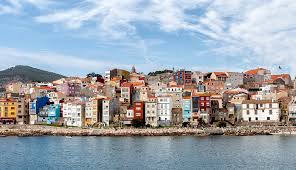
* Galicia: Known as the westernmost continental region with vibrant cultural impressions.
* Barcelona: A primary hub for international students and marketing professionals.
How can I contact El Relocator for assistance?
Direct consultations are available to create step-by-step relocation plans and solve complex immigration issues.
* Phone: +7 (495) 001-35-99
* Messaging: Telegram or WhatsApp
* Official Website: El Relocator Home
Source: https://el-relocator.com/blog-en